My notes.
Homelab services, setup, backup, recovery, and operations.
20 articles

Immich: Managing Photos Without Handing Them to the Cloud
Run a cloud-gallery-like photo library on your own server: automatic mobile backup, local AI search and facial recognition, plus honest trade-offs, limitations, and the database backup strategy you need.

Navidrome: Personal Music on the OpenSubsonic Protocol
A lightweight Go-based self-hosted music server speaking the OpenSubsonic protocol: tag-first library handling, read-only mounts, and compatibility with dozens of playback apps.

Nextcloud and Keeping Data Off Third-Party Services
Notes on running Nextcloud to keep personal files off commercial cloud services: app and database architecture, Docker Compose deployment, backup practice, and the limitations of a single-machine homeserver.
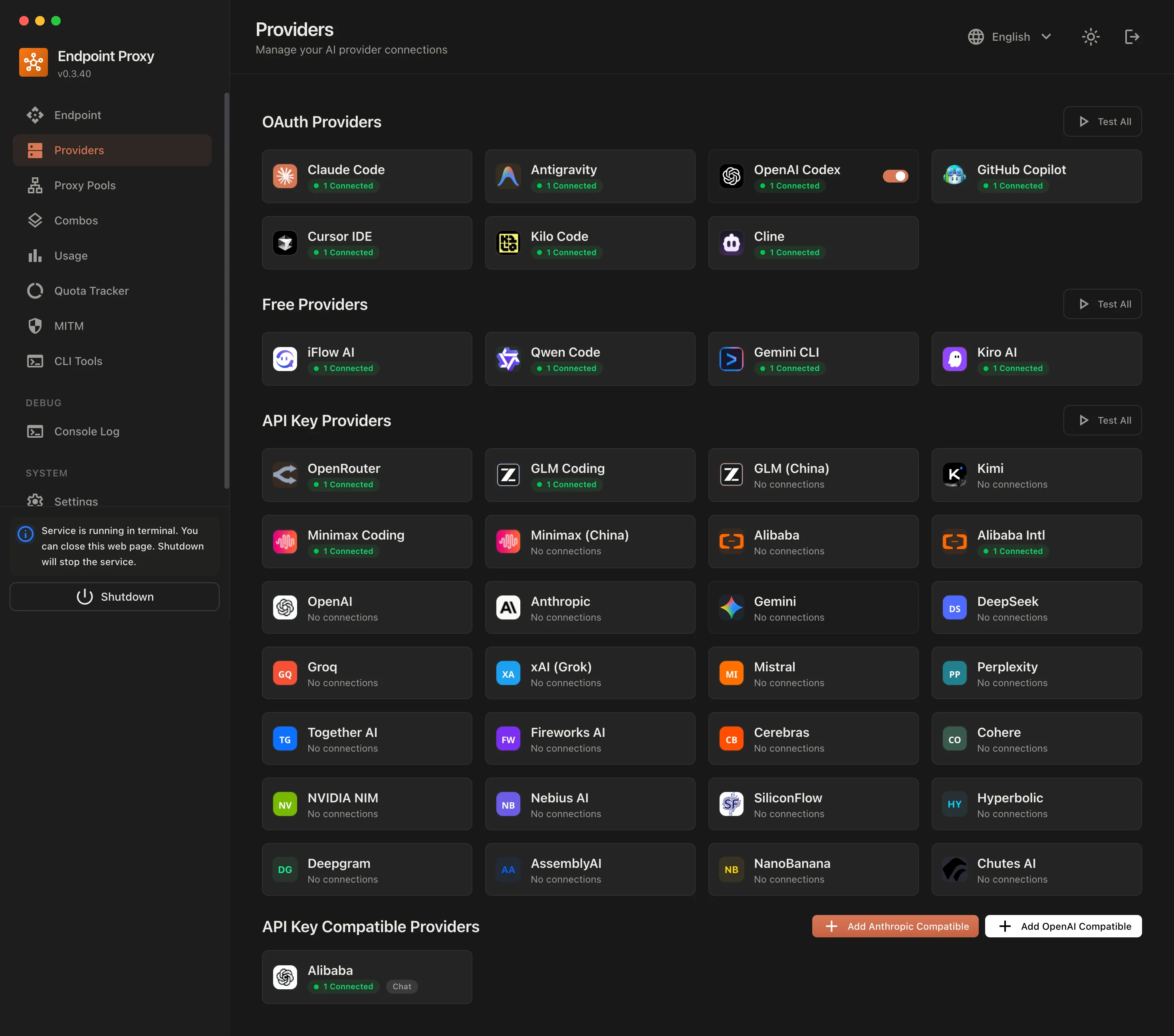
9Router and Standardizing LLM Endpoints
9Router consolidates multiple LLM providers behind one local OpenAI-compatible endpoint: central credentials, automatic fallback, and token savings, with security defaults that need tightening.

Monitoring Host Health with Glances
Glances as a lightweight host monitoring tool: one quick view for CPU, memory, disk, temperature, and Docker containers, plus a REST API for integration.

Hermes and Building Agents That Work Autonomously
Notes from using Hermes Agent: how the agent loop works with toolsets, skills, and persistent memory, systemd deployment, plus honest strengths and limitations for a single homelab machine.
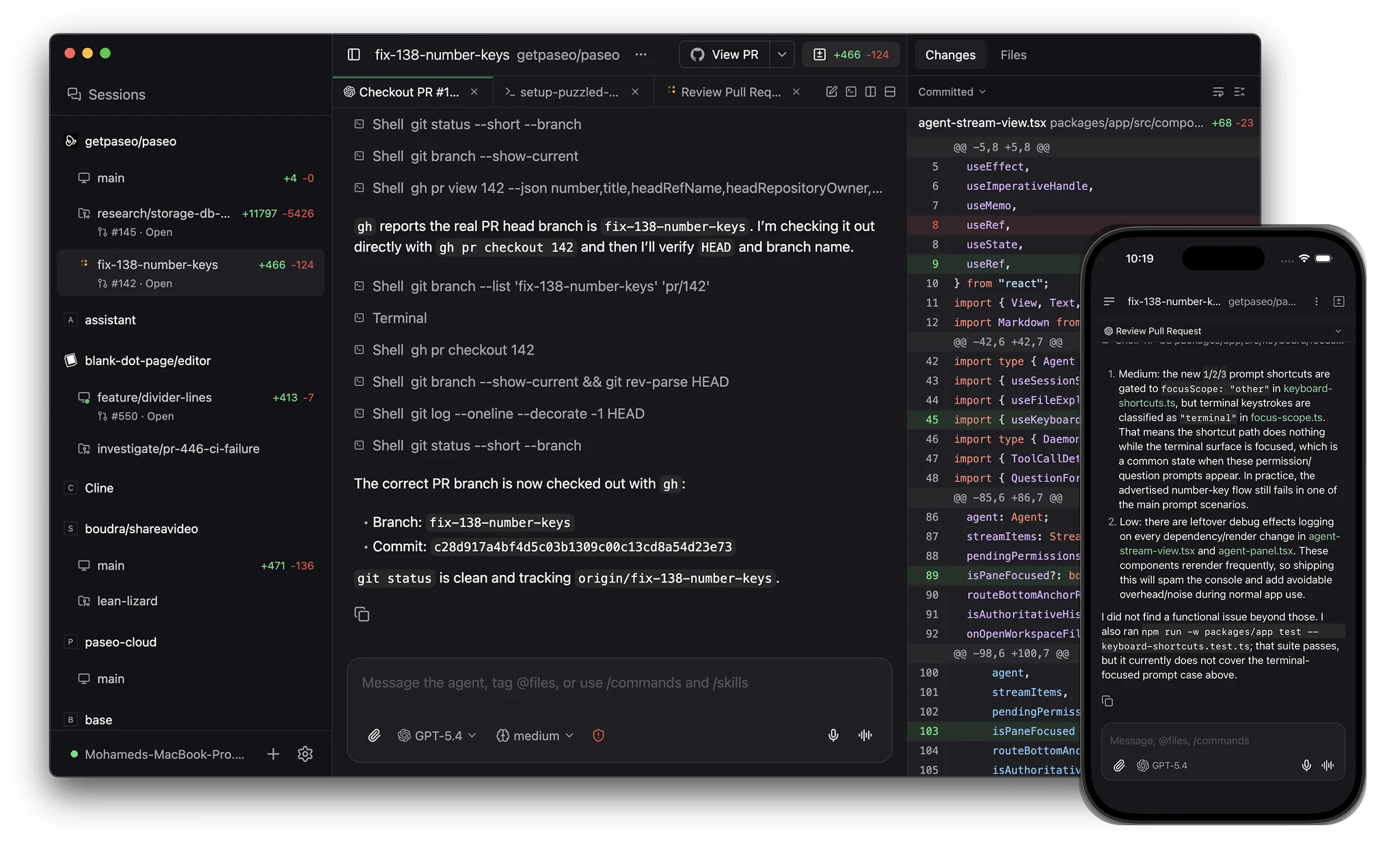
Reaching AI Agents from a Phone with Paseo
Paseo turns long-running AI coding agent sessions on a headless machine into something you can watch and drive from your phone, over an end-to-end encrypted relay or a direct connection.

Pi-hole and the DNS Sinkhole Mechanism
How Pi-hole works as a DNS sinkhole: the query path through FTL and Gravity, a Docker Compose deployment, its real strengths, and its limits on a single-machine homelab.
Termix: Terminal and Remote Desktop in the Browser
Termix centralizes SSH, RDP, and VNC in one web dashboard built on Apache Guacamole: multi-panel terminal, SFTP file manager, tunnels, and Docker management without a desktop client.

Vaultwarden: Bitwarden Compatibility on Your Own Server
Deployment notes for Vaultwarden, a lightweight self-hosted password manager server compatible with official Bitwarden clients: architecture, Docker Compose setup, HTTPS requirements, SQLite WAL backup strategy, and limitations.

Watchtower and the Risks of Automated Container Updates
Watchtower monitors running Docker containers and updates their images automatically. Convenient for a homelab, yet unattended updates without scoping can quietly introduce breaking changes. This post covers how it works, risk controls, and its limits.

Cloudflare Tunnel for Ingress
Exposing homelab services behind CG-NAT without port forwarding using the Cloudflare Dashboard connector.
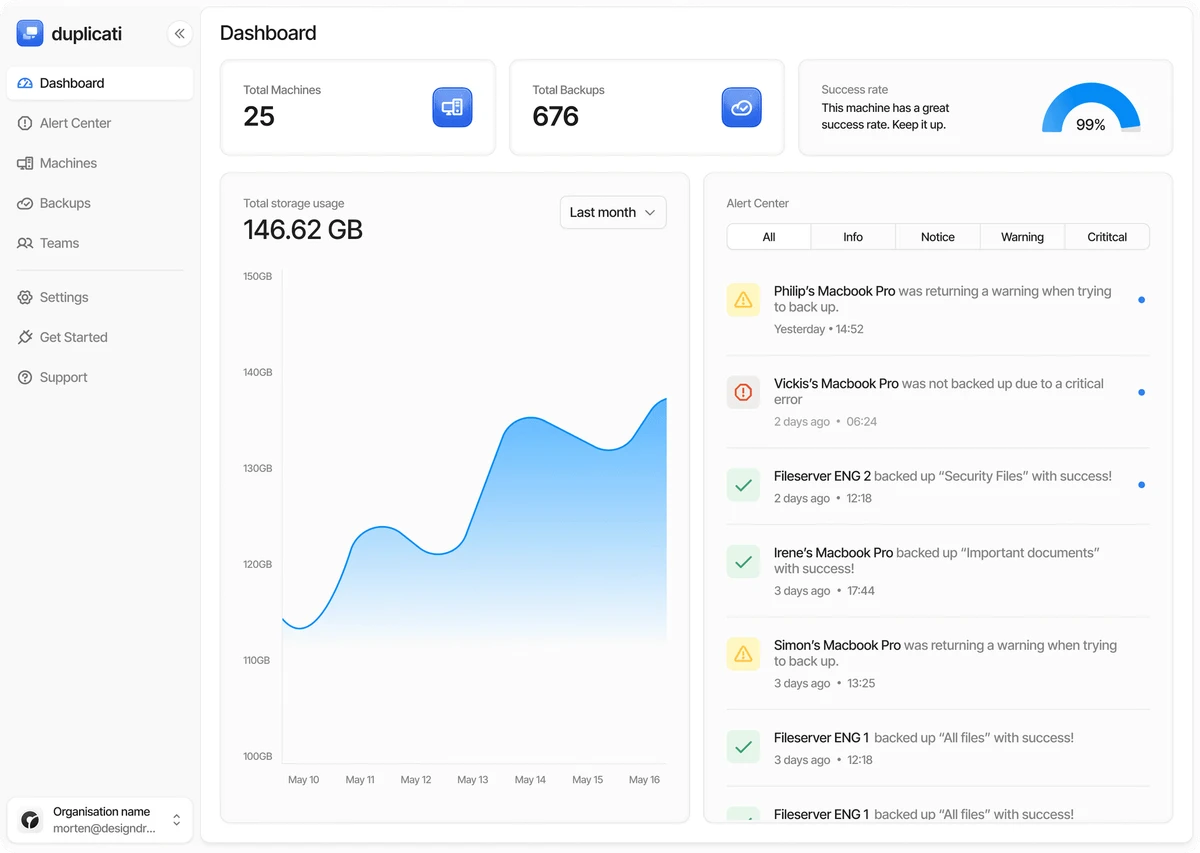
Evaluating Duplicati as a Backup Option
An honest look at Duplicati from a testing standpoint: interactive web-UI setup, built-in encryption and deduplication, plus pros and cons for a single-machine homeserver with limited storage.
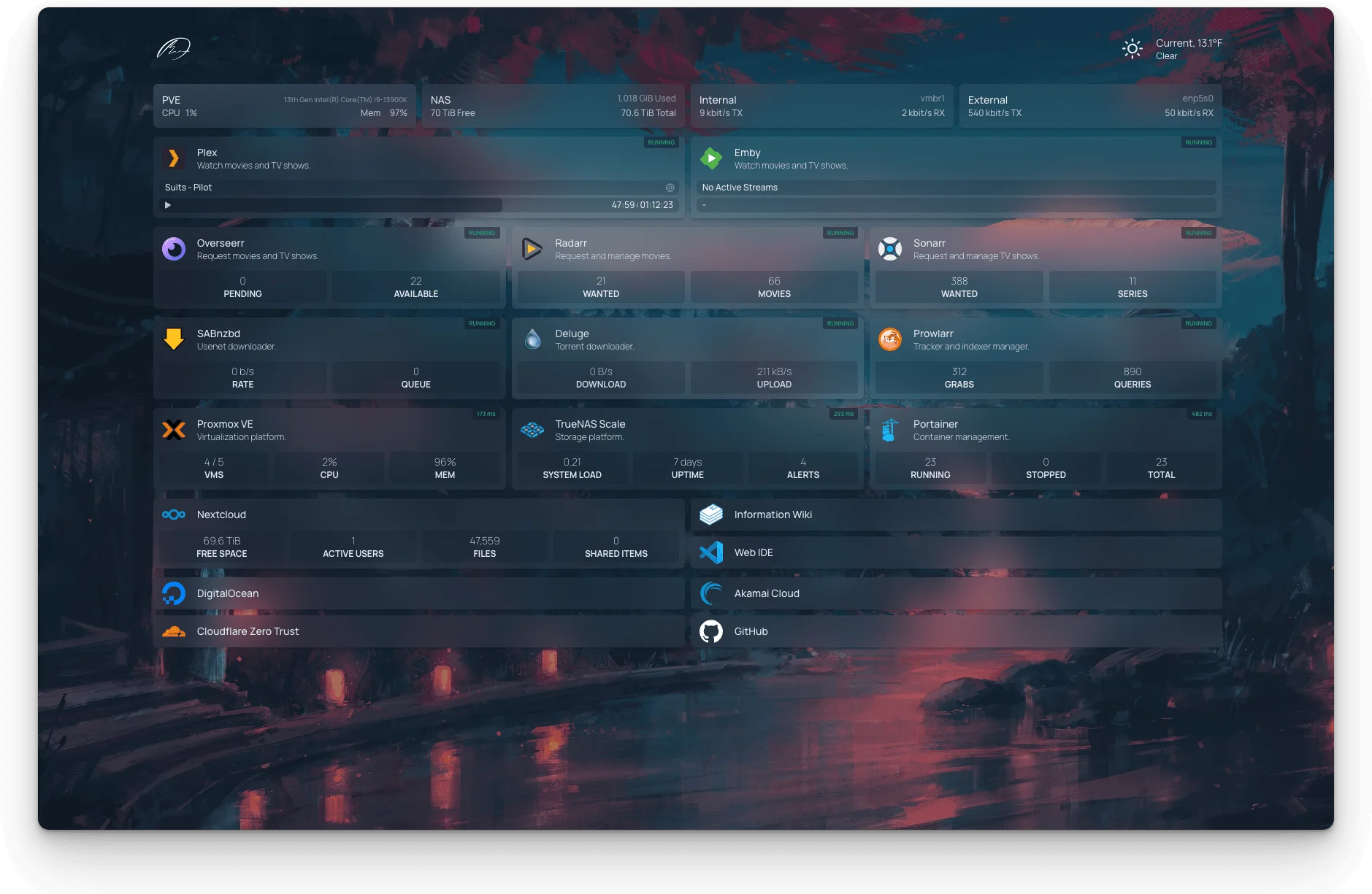
Homepage and a Single Dashboard for Every Service
A private dashboard for every homelab service: YAML config, automatic container discovery via Docker labels, why access stays behind a VPN, plus the Docker socket boundary and authentication.
Portainer and the Docker Socket Trade-off
Notes on running Portainer as a Docker control plane on a homeserver: the convenience of a web UI exchanged for handing full access to the Docker socket to a single process.

Syncthing: P2P Sync That Is Not a Backup
Synchronizing files between devices peer-to-peer with in-transit encryption, no cloud and no account — plus its honest limits: syncing is not a backup, and data at rest on devices is not encrypted.
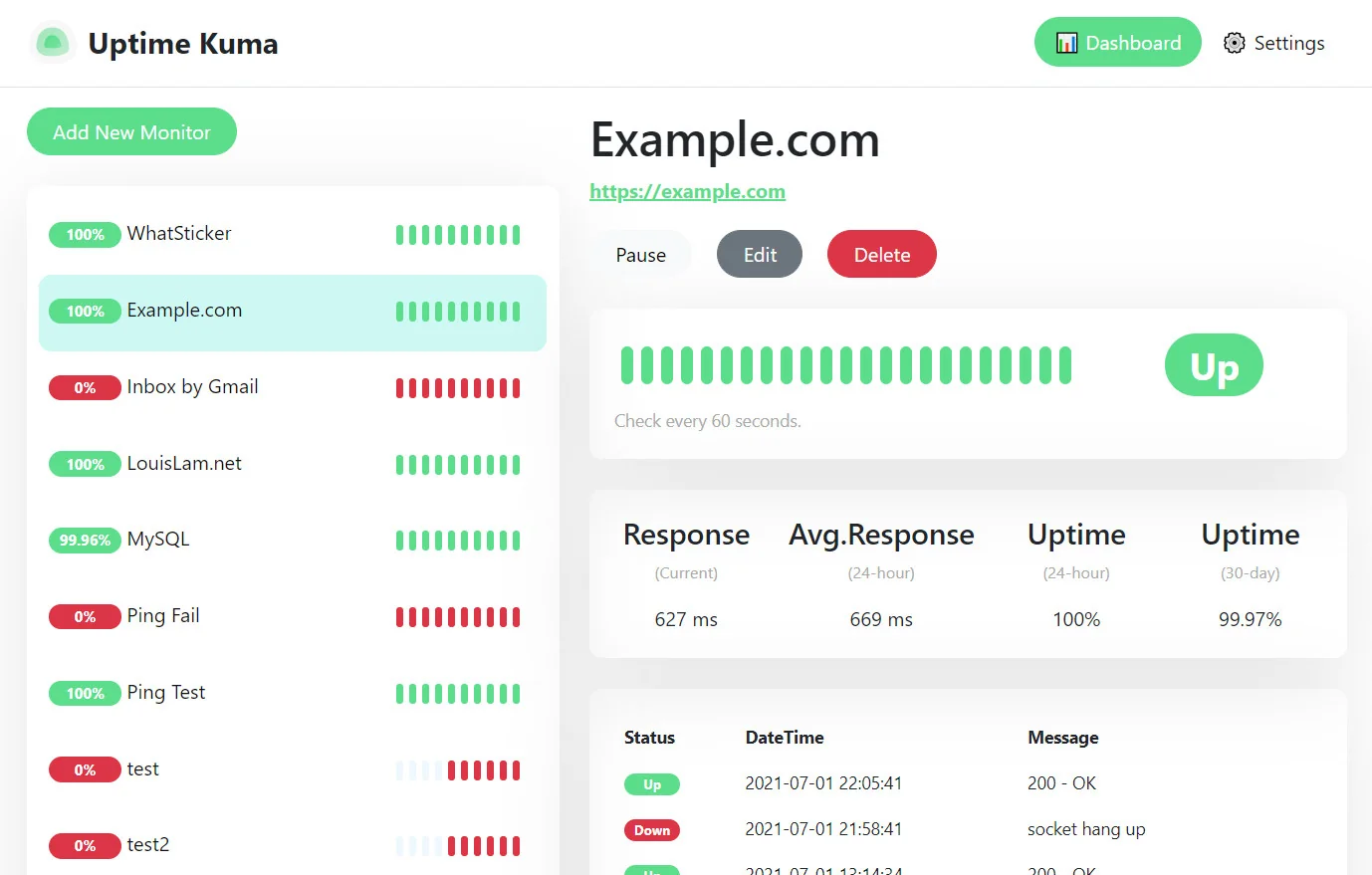
Uptime Kuma and Alerting When Services Go Down
Why outage alerting matters in a homelab, how Uptime Kuma polls services, Docker Compose deployment, monitor types and Telegram notifications, plus limitations and a backup strategy.

Tailscale and a Mesh VPN Without Port Forwarding
A WireGuard-based mesh VPN for reaching homelab services from outside the LAN without port forwarding: NAT traversal and DERP relay architecture, deployment, ACL security, and its limits.
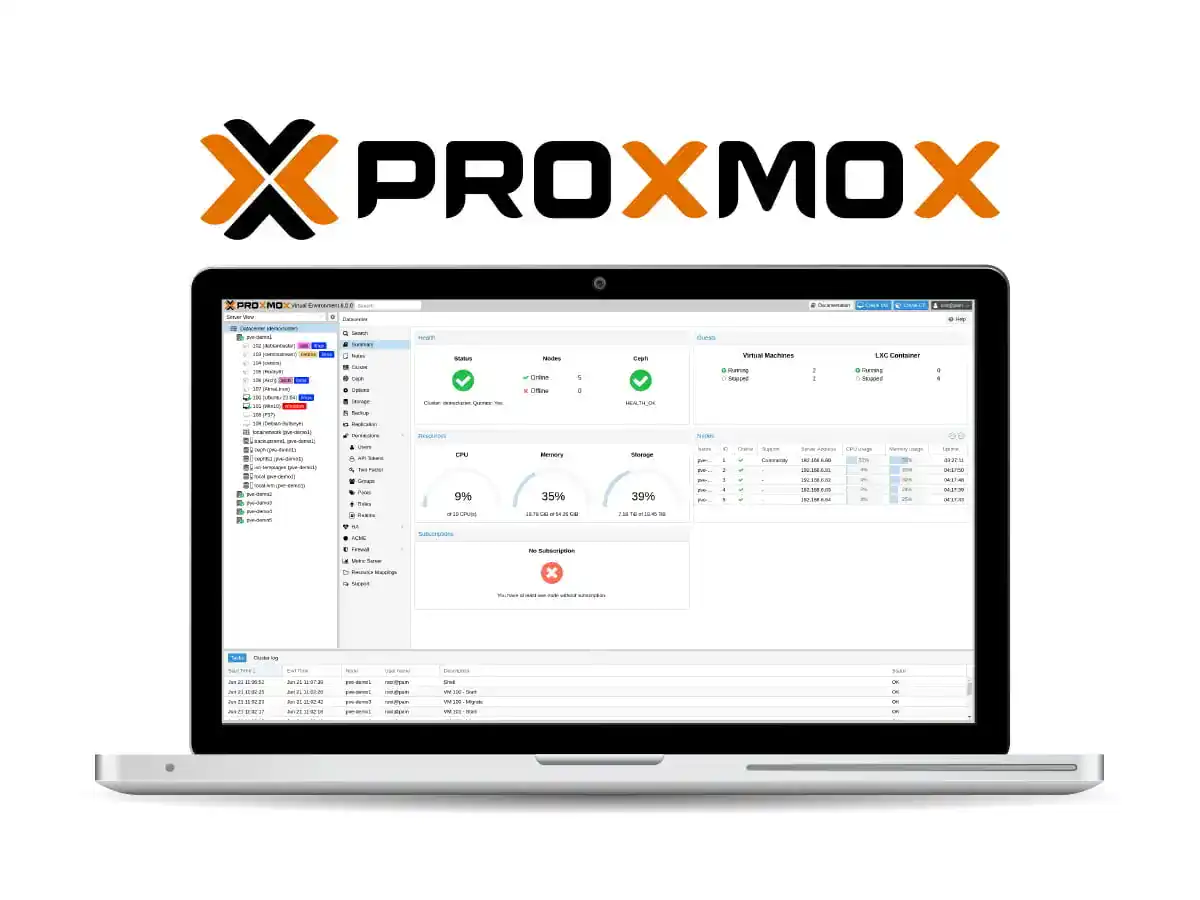
Proxmox Backup Server and Guest Recovery Limits
Why PBS is the VM-level backup target in this homelab, how its deduplication and incremental backups work, and the guest recovery limits that keep it from replacing application backups.
Proxmox VE and a Few Main VMs
Why Proxmox VE was chosen from the start, the pattern of a few main VMs with broad responsibilities, and how Proxmox Backup Server fits VM-level backups.
No matching articles.